
TRAUMA THERAPY IN NY, NJ, CT, AND FL
Trauma does not always look the way people expect it to.
Sometimes it follows a single overwhelming event. Other times, it develops through years of difficult relationships, childhood experiences, abuse, loss, instability, or chronic stress. You may know exactly what happened, or you may simply recognize that something from your past continues to affect how you feel, think, relate to others, or move through your life.
You may find yourself feeling anxious or on edge, struggling to trust others, reacting strongly to situations that seem small, feeling disconnected from yourself, or having difficulty feeling safe even when things are objectively okay.
Trauma therapy can help you understand these patterns without allowing them to define you.
At E Wellness, our goal is not simply to revisit the past. We help you understand how your experiences have shaped you, develop greater emotional and physical regulation, and build the confidence and skills to respond differently in the present.
From Surviving to Moving Forward
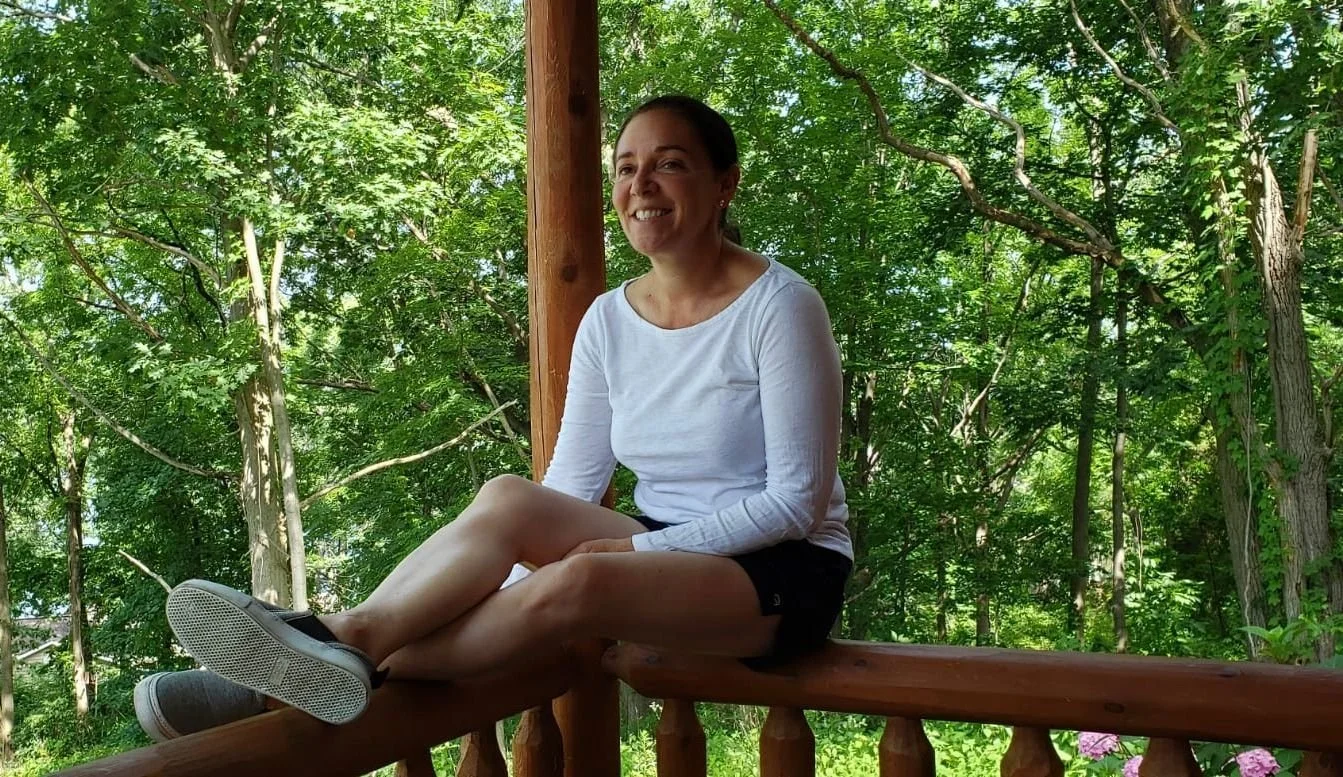

Evelyn Solomon, LCSW, is the founder of E Wellness Therapy and a Board-Certified Trauma Specialist with more than two decades of clinical experience. Her career began working with children and families in foster care and has included extensive work with trauma survivors, sexual assault survivors, individuals in crisis, hospital settings, community mental health, and private practice.
She also received specialized training in sexual trauma through Montefiore Hospital and completed her master's degree at NYU. She continues to pursue advanced training in trauma-focused approaches and integrative therapies.
Clients often choose to work with Evelyn because she brings together deep clinical experience with a practical, grounded approach to therapy.
Her work is not about endlessly analyzing the past or asking you to relive painful experiences before you are ready. Instead, she helps you understand how trauma may be affecting you today and develop the tools, insight, and confidence to respond differently.
Evelyn's approach is highly collaborative. She meets you where you are, works at a pace that feels manageable, and tailors treatment to your individual history, needs, and goals.
Most importantly, she believes that trauma does not have to define the rest of your life.
Therapy can help you regain a sense of safety, reconnect with yourself, strengthen your relationships, and move forward with greater clarity and confidence.
Meet Our Founder: Board-Certified Trauma Specialist
A Practical Approach to Healing
Healing from trauma is not about forcing yourself to "move on" or repeatedly reliving painful experiences.
We begin where you are.
For some clients, that means first learning how to manage anxiety, emotional overwhelm, or feeling constantly on guard. For others, it may mean understanding patterns in relationships, working through difficult memories, or reconnecting with parts of themselves that became disconnected as a way of coping.
Your therapy is tailored to your needs and your readiness. We move at a pace that allows you to feel supported while still creating meaningful progress.
Our approach often focuses on three areas:
Our Approach to Trauma Therapy

Restore Stability
Before doing deeper trauma work, it can be important to develop a stronger sense of safety and stability. Together, we may work on emotional regulation, grounding, coping strategies, boundaries, and understanding your nervous system's responses to stress.

Understand Patterns
Trauma can influence the way you see yourself, other people, and the world around you. Therapy can help you recognize how past experiences may be showing up in your thoughts, emotions, relationships, behaviors, and body without blaming yourself for the ways you learned to cope.

Build Forward
Healing ultimately means being able to live more fully in the present.
Therapy helps you develop new ways of responding, strengthen relationships, rebuild confidence, and make choices based on who you are today rather than what happened to you in the past.
Our Trauma Specialties



Present Trauma
Present trauma refers to recent traumatic experiences that are still fresh and raw. Therapy can help you process these events, manage immediate symptoms, and begin the healing process.
Acute Trauma
Acute trauma results from a single distressing event, such as an accident or natural disaster. Our therapy can help you process the shock and distress, providing tools to manage anxiety and rebuild a sense of safety.
Chronic Trauma
Long-term trauma, or chronic trauma, occurs over an extended period, such as ongoing abuse or prolonged exposure to distressing situations. Therapy helps in processing these long-term effects, promoting healing and recovery.
PTSD Support
Our practice also offers comprehensive support for those dealing with Post-Traumatic Stress Disorder (PTSD). We understand how debilitating PTSD can be, and our tailored therapy plans aim to reduce symptoms and improve your quality of life.
Sexual Trauma
Sexual trauma encompasses any unwanted sexual experience that causes significant emotional, psychological, or physical distress. Trauma therapy can help by providing a safe, supportive space to process these experiences, reduce their emotional impact, and foster healing and resilience.
Generational Trauma
Generational trauma is passed down through generations, affecting families and communities. Our approach helps break these cycles, offering healing for both individuals and their families.
Complex Trauma
Complex trauma involves exposure to multiple traumatic events, often of an interpersonal nature. Our therapy addresses the intricate layers of complex trauma, promoting deep and lasting healing.
Developmental Trauma
Childhood trauma, or developmental trauma, can have a profound impact on your adult life. We offer specialized support to process these early experiences, helping you heal and build a healthier present and future.
Modalities
There is no single approach that works for every person or every experience. Our therapists draw from evidence-based and integrative approaches and tailor treatment to your goals, history, and needs.
Depending on your circumstances, therapy may incorporate:
There is no single approach that works for every person or every experience. Our therapists draw from evidence-based and integrative approaches and tailor treatment to your goals, history, and needs.
Depending on your circumstances, therapy may incorporate:
Trauma-Focused Cognitive Behavioral Therapy (TF-CBT)
Helps you identify and shift thoughts, beliefs, and behaviors that developed in response to traumatic experiences.
EMDR
Can help the brain process distressing memories so that they feel less emotionally overwhelming and intrusive in the present.
Somatic Approaches
Trauma can affect more than thoughts and emotions. Somatic work helps you become more aware of physical responses to stress and develop greater regulation and connection with your body.
Mindfulness
Helps you develop the ability to notice thoughts, emotions, and physical sensations without becoming overwhelmed by them.
DBT Skills
Provides practical tools for emotional regulation, distress tolerance, relationships, and coping with intense emotions.
Hypnotherapy
Hypnotherapy can help you access and work with deeply held thoughts, emotions, and patterns while promoting relaxation and a greater sense of awareness. It may be incorporated into treatment when appropriate to support emotional processing, reduce anxiety, and create new ways of responding.


Frequently Asked Questions About Trauma Therapy
-
Trauma-informed therapy begins with an understanding that difficult experiences can affect much more than how you remember the past. They can influence how you respond to stress, experience relationships, see yourself, and feel in your body.
When we work with clients who have experienced trauma, we do not assume that they need to immediately talk through everything that happened. For many clients, the first step is creating a greater sense of safety and stability. We may work together on understanding emotional and physical responses, developing coping strategies, and building the ability to stay grounded when difficult emotions arise.
As clients feel more stable and ready, we may begin processing experiences that continue to affect them. The pace is collaborative and individualized. Our goal is to help you feel more grounded in the present rather than controlled by what happened in the past.
-
There is no single approach to trauma therapy that works for every client. In our work, we consider your history, symptoms, goals, and readiness when determining which approach may be most helpful.
Some clients benefit from EMDR, which can help process distressing memories that continue to feel emotionally charged. Others benefit from Trauma-Focused CBT, particularly when trauma has contributed to negative beliefs, anxiety, avoidance, or behavioral patterns.
We may also incorporate somatic approaches when trauma is showing up strongly in the body, hypnotherapy when appropriate, or mindfulness and DBT skills to support emotional regulation and coping.
Sometimes we use one primary approach. Other times, we integrate several modalities as therapy progresses. The goal is always to find an approach that feels appropriate and useful for you.
-
EMDR and CBT are both approaches we may use when working with clients who have experienced trauma, but they work in different ways.
Trauma-Focused CBT focuses on the relationship between thoughts, emotions, and behaviors. In our work, we may use CBT to help clients identify beliefs that developed following trauma and begin challenging patterns such as self-blame, avoidance, or feeling powerless.
EMDR focuses more directly on processing distressing memories and experiences so they feel less emotionally overwhelming in the present. Clients may find that memories that once triggered a strong emotional or physical response become easier to hold without feeling pulled back into the experience.
Neither approach is automatically better. When deciding between EMDR and CBT, we consider what you are experiencing, how you tend to process information, your treatment goals, and what feels most comfortable for you. In some cases, we may incorporate elements of both.
-
You do not need a PTSD diagnosis, or even certainty that what you experienced "counts" as trauma, to explore whether trauma therapy could be helpful.
In our work with clients, trauma often shows up in ways that are not immediately recognized as trauma. You may feel constantly on guard, have difficulty trusting people, struggle to set boundaries, experience intense emotional reactions, feel disconnected from yourself, or find yourself repeating relationship patterns you do not understand.
For others, it may look like anxiety, low self-esteem, emotional numbness, difficulty feeling safe, avoidance, intrusive memories, or a tendency to shut down when situations become emotionally overwhelming.
Sometimes clients come to us because they understand what happened intellectually but are surprised by how much it continues to affect their lives.
You do not have to know exactly what is wrong before beginning therapy. Part of our work together is understanding what is happening, identifying where these patterns may come from, and determining what can change. A consultation can be a first step in figuring out whether a trauma-focused approach is right for you.
Trauma Therapy in New York, New Jersey, Connecticut, and Florida

Trauma can shape the way you see yourself and what you believe is possible. But the coping strategies that once helped you survive do not have to determine how you live today.
Therapy can help you develop a greater sense of safety, understand your responses, strengthen your relationships, and reconnect with your own sense of agency.
The goal is not to erase your past. It is to help you feel less controlled by it.
E Wellness Therapy provides trauma therapy both online and in person, depending on your location.
If you are wondering whether trauma therapy is right for you, you do not need to have everything figured out before reaching out. A consultation is an opportunity to talk about what you are experiencing, ask questions, and determine whether our approach feels like the right fit.
Schedule a free consultation with one of our therapists to learn more about trauma therapy and how we can support you.